How To Create Successful Mobility Scooters On The Road Techniques From Home
How Safely Can You Drive a Mobility Scooter on the Road? Many people who are first time scooter users are confused about the rules and regulations governing the use of mobility scooters. Essentially mobility scooters are pedestrian vehicles, and must adhere to the same guidelines as those who walk. Mobility scooters can be used on pedestrian walkways, sidewalks and roads, but they cannot be used on bus lanes or routes that are 'cycle-only. They should also not be taken on dual carriageways. Sidewalks Mobility scooters are popular because of their freedom. Many people use them to travel. Like all motorized vehicles, there are safety precautions to be taken in order to ensure the safety of the person using the scooter as well as other road users. It is essential that users of mobility scooters abide by local laws and regulations in order to ensure their own safety and the safety of others. This includes adhering to traffic rules, wearing safety equipment and keeping their scooter in good working order. Additionally, it is important to not use scooters while under the influence of alcohol or drugs that affect judgment and reaction time. Mobility scooters can be driven on sidewalks or pedestrian walkways. However it is crucial to be cautious and allow pedestrians the right of right of way. They should also only cross streets at designated crossings and be sure to obey traffic signals. Also, it's recommended to wear reflective clothing and attach reflectors on the front and back of the scooter to increase visibility. It is essential to practice driving on a sidewalk prior to when you take your scooter for an initial test drive. It is also a great idea to read the manual that comes with your model, as it will give you specific safety guidelines as well as instructions regarding maintenance. Additionally, it is important to avoid walking or standing up while riding on the scooter, as this could cause the machine to lose control. You should call ahead to confirm that the public space is suitable for mobility scooters. This will save you the trouble of having to locate another location and ensure that you are prepared for any unexpected issues that might occur. Contacting a location ahead of time will also let you know about any accessibility features not listed on the website. Another thing that you should keep in mind is that mobility scooters have a smaller turning radius than cars, and this could lead to problems if you try to turn at the last minute. Plan your route carefully and select routes that are suitable for your mobility scooter. This means choosing an area with a low pedestrian traffic, narrow pavements, wide kerbs and few traffic turns. Roads Mobility scooters enable people to ride on a variety of surfaces, including the road. However, the speed of vehicles on roads pose unique challenges for these scooters, as they aren't designed to withstand high speeds. Adherence to local laws and the proper use of mobility scooters will help users maintain the safety and comfort of their ride on the road. Generally, class 2 and 3 scooters are only permitted on pavements at the maximum speed of 4 mph. This restriction is meant to keep users, other users of the road and pedestrians secure. Class 2 and 3 scooters aren't intended to drive on cycling paths, or other surfaces. Most state regulations regarding scooters' use on sidewalks and roads are similar to the rules that govern motorcycles. Pennsylvania, for example states that scooters must not exceed 5 brake horsepower in order to ensure the safety of the person operating them and the people who are around them. Furthermore, drivers must respect the parking restrictions of cars, and ensure that their scooters do not hinder pedestrian access. The use of a mobility scooter can allow seniors to remain independent and delay the need to move into an assisted living facility. These vehicles also provide the feeling of independence and freedom that can reduce stress and anxiety for those with limited mobility. In the end, many seniors discover their mobility scooters to be valuable tools to use in their daily lives. Mobility scooter operators must also comply with local laws governing the use of their vehicles on sidewalks and streets that are public. By doing this, you can ensure the safety of those using these devices and helps to promote an enlightened connection between pedestrians, drivers and other users. Finally, a person should have liability insurance for their mobility scooter in case of an accident that causes property damage or injury to other people. A liability insurance policy can help cover the repair and replacements for mobility scooters in the event that it is damaged or damaged by another driver. Parking A mobility scooter is an original invention that allows people with mobility issues regain independence and travel around their communities. It's an ideal solution for people whose eyesight and motor coordination have been deteriorating over time due to health issues or injuries or ageing. Mobility scooters are much more easy to control than the heavy, speedy automobiles. It is essential that scooter users know how to operate their devices safely and are aware of local laws. It is also important to follow all traffic laws while using their scooters on sidewalks and pedestrian pathways. Although the maximum speed limit for class 2 and 3 mobility scooters in the UK on sidewalks is 4mph, users should exercise caution and yield to individuals who are walking. mymobilityscooters.uk should also not stop pedestrians from crossing. They should also avoid riding on scooters in bus lanes, and avoid driving on dual carriageways that have speed limits of 50 mph or more. Furthermore, users should always be on the lookout for sloping kerbs to make the transition from road and pavement easy and safe. You should never try to jump a kerb, as this could lead to accidents or injuries. In the event that they're unable locate a dropped kerb or a kerb that has fallen, they should travel along a different route or wait until they can locate one. Municipalities also have their own rules and regulations that govern the operation of mobility scooters within their areas of jurisdiction. These can be found online or at a local council, and they should be strictly adhered to. Some cities and towns such as, for instance are requiring users to have a license plate or liability insurance. Some cities are more accommodating and allow individuals to use scooters without licenses or insurance. In this situation it is imperative to be mindful about following the traffic rules, avoiding collisions with other vehicles and pedestrians, and making sure their scooters are clean and in good working order. Safety Mobility scooters offer those with physical limitations the freedom to travel on their own without assistance. It is still essential to be aware of the risks associated with using these devices in public places and on the road. It is crucial to understand the rules of operation, and what you should do if they get into trouble. 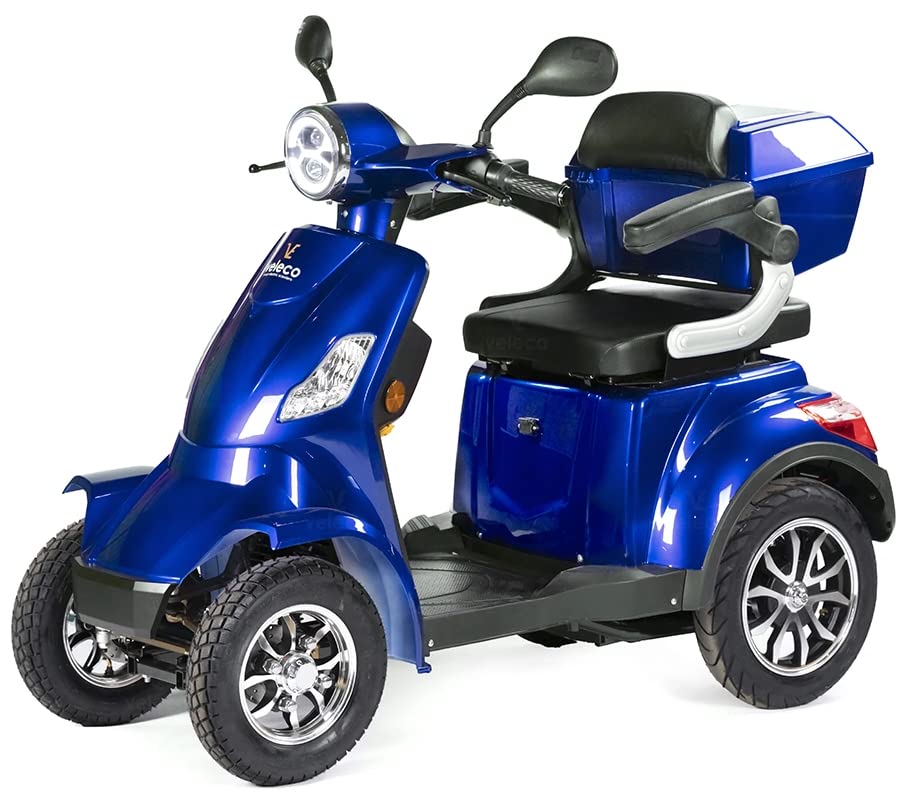 Before you drive on roads, you should practice on pedestrian paths. This will allow you to feel confident in your ability to accelerate, decelerate, and turn left and right. It's recommended to read your operating manual to get familiar with the model-specific guidelines. Wear a helmet and protective clothing while riding your mobility scooter. This will lower the risk of injury if you have an accident. In addition, it is recommended to avoid wearing headphones or other mobile devices while riding. They can distract from the road and block you from hearing traffic coming towards you. It is important to take a course of instruction in case you are new to scooter riding. These classes are typically offered by local police departments and teach you how to safely operate the vehicle. The classes are usually free and last between two and three hours. These classes also provide tips on how to safely ride a scooter and avoid accidents. Finally, ensure that you use a safety flag as well as reflective strips on your scooter to increase its visibility. This is especially important in poorly lit areas and at night. It is also a good practice to avoid using your phone while traveling on the scooter. It could cause you to be distracted and cause an accident. The crossing of driveways should be done with care. Many drivers are surprised to see scooters crossing the road. They may even back out of their lane into oncoming traffic. Also, you should drive with extra caution on rough terrain and slopes. The last thing to mention is that you should not use your scooter in the bike lane or bus lane. This is not only dangerous, but illegal as well. It could also be inconvenient to cyclists and buses to have to deal you.